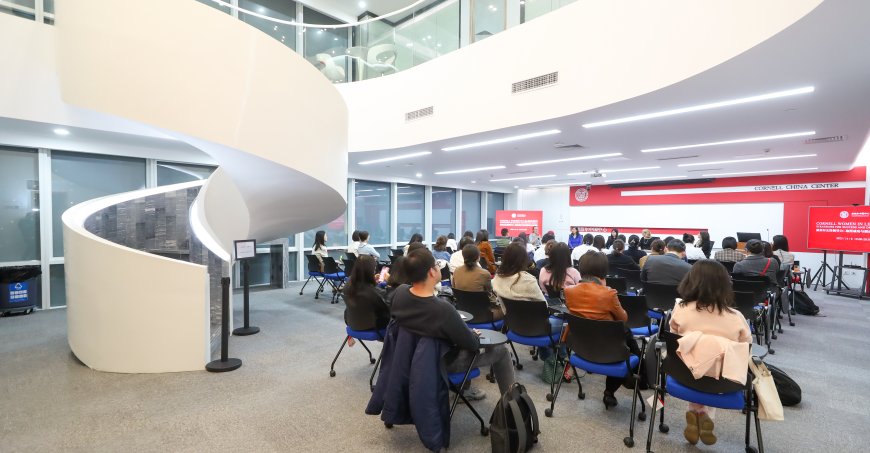
The Cornell China Center builds a bridge between Cornell and China by connecting scholars, students, and alumni through research, teaching, and academic exchange.
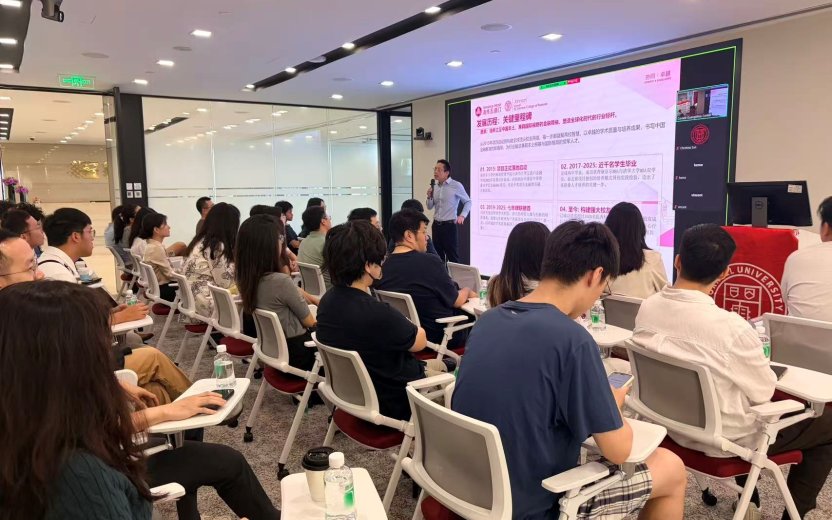
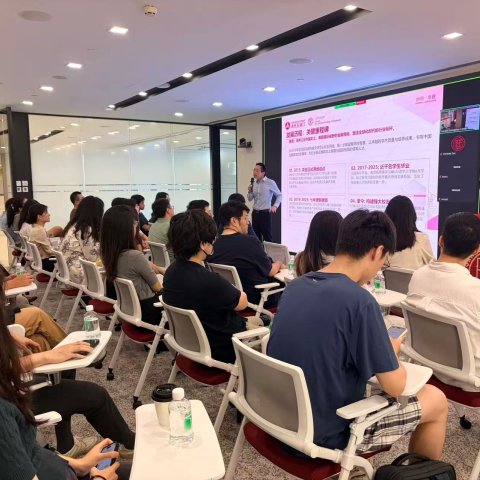
The Cornell Guangzhou Center welcomed alumni, prospective students, faculty, and friends of Cornell on June 20 for its first event.
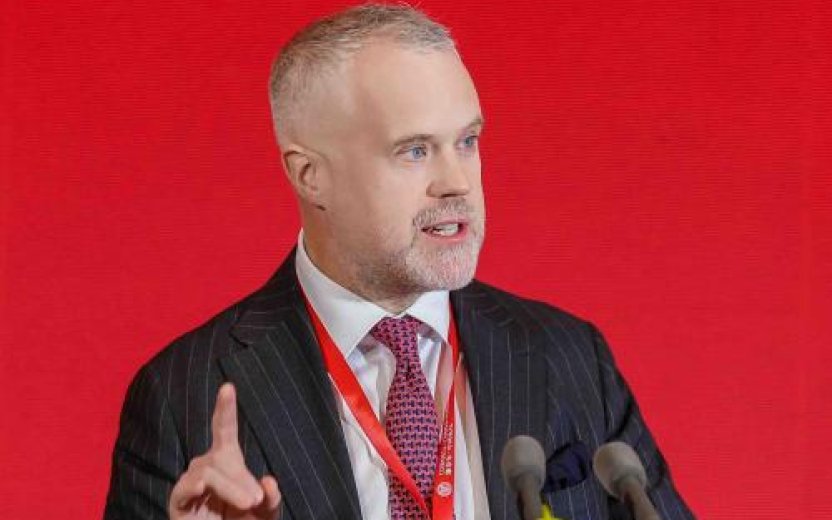
Leaders from the College of Arts & Sciences recently traveled to China and Asia to celebrate the 20th anniversary of the Brittany and Adam J. Levinson Program in China and Asia-Pacific Studies.
Source
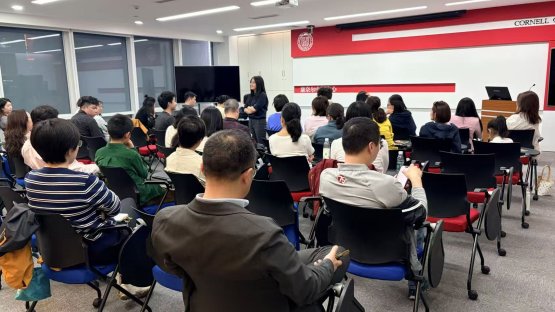
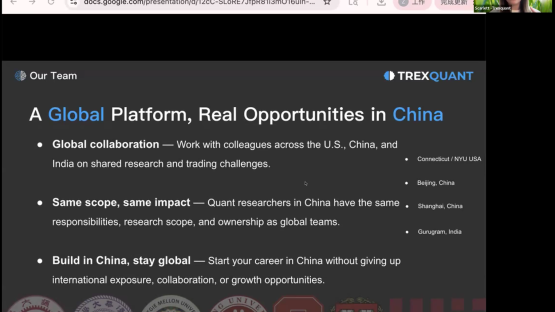
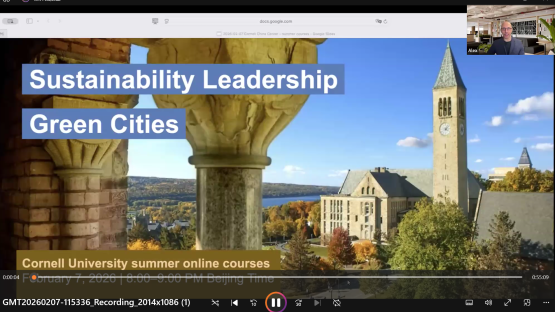
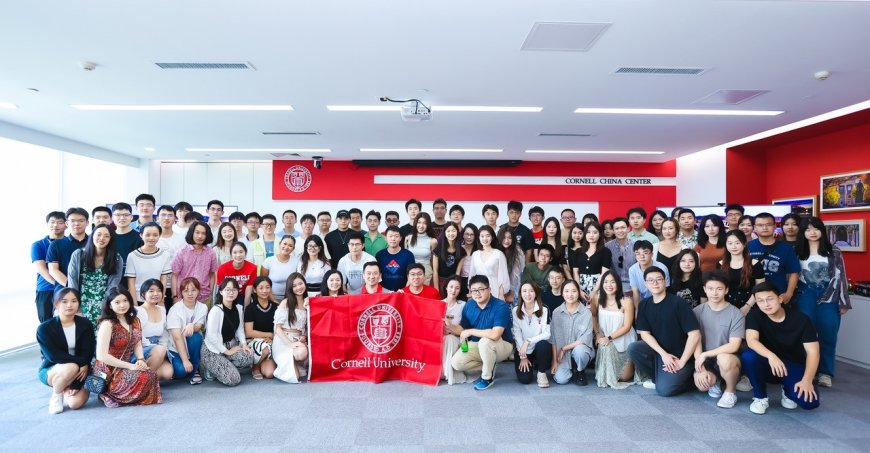
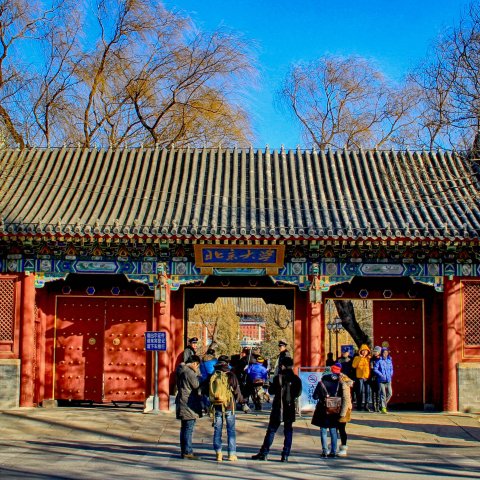
The Beijing Center provides a Cornell-branded space for students, alumni, faculty, and guests to learn and network.
Learn more about the Beijing Center
For more than a century, Cornell and China have been connected through sustained academic exchange. Over time, these relationships have taken many forms—spanning education, research, and community engagement—and shaped learning and scholarship on both sides.
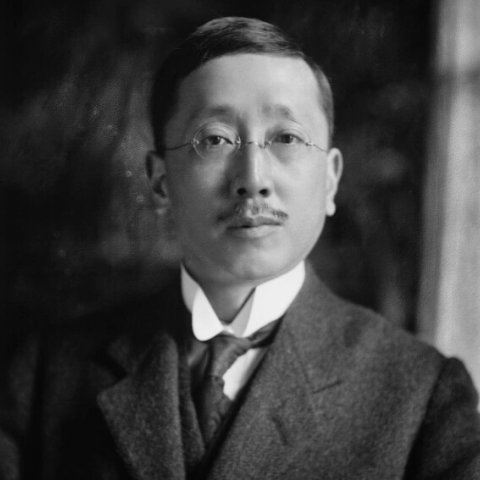
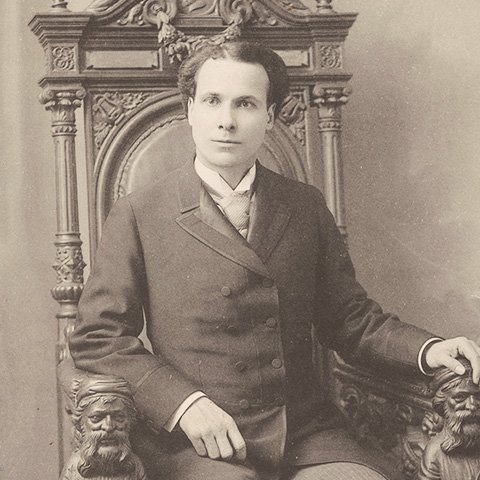
Alfred Sao-ke Sze, Class of 1901 and MS 1902, was the first Chinese student to graduate from Cornell. He became the first Chinese ambassador to the U.S. in 1935.
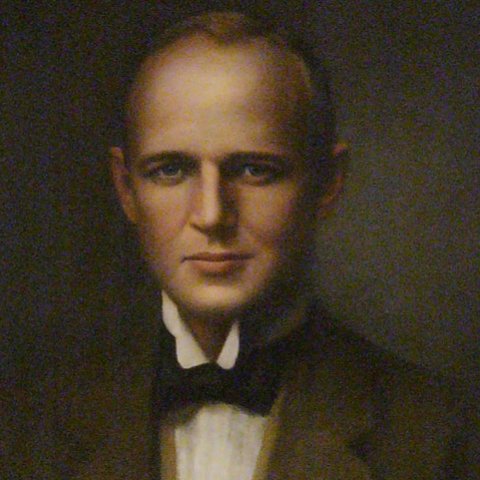
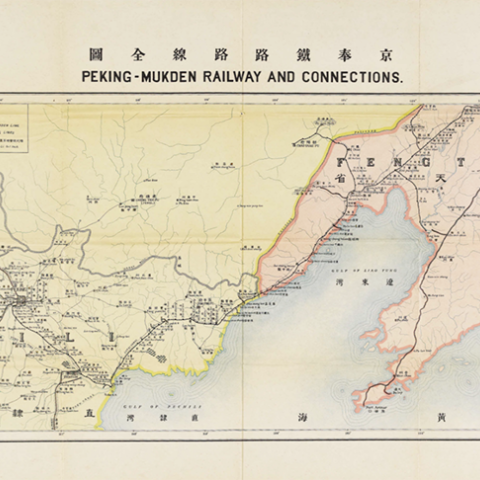
S.C. Thomas (Tommy) Sze, Cornell class of 1905, was a major force in the construction of China’s railroad system.
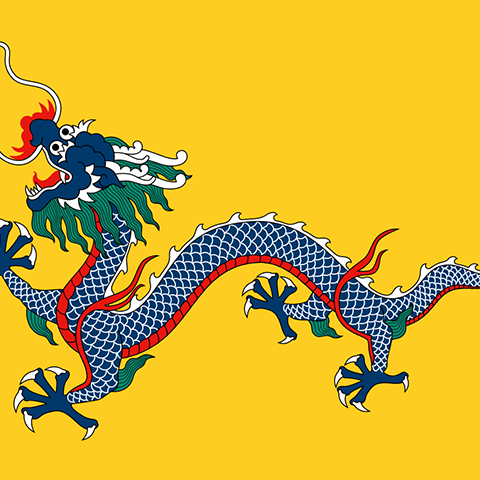

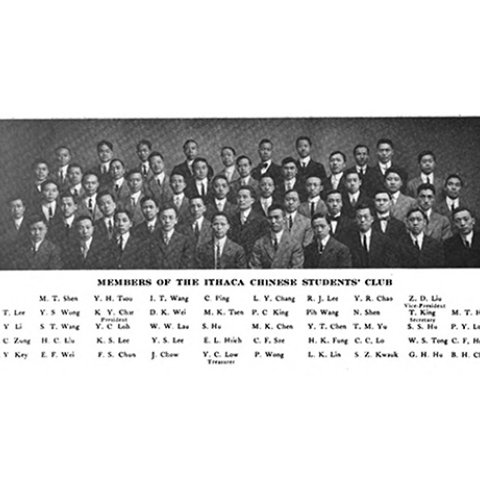
Cornell trustees authorize six scholarships per year for Chinese students to study at the university.
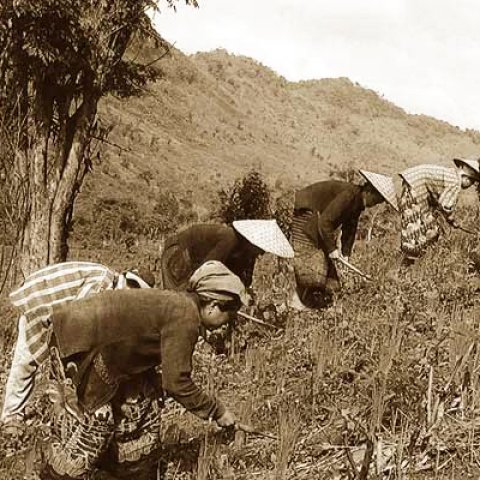
Hing Kwai Fung graduates from Cornell and applies his knowledge to modernize Chinese agriculture.
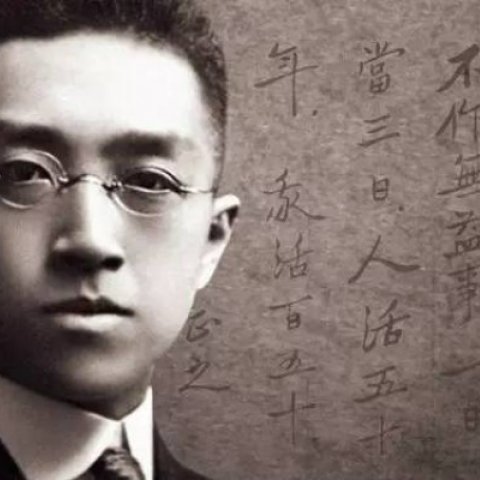
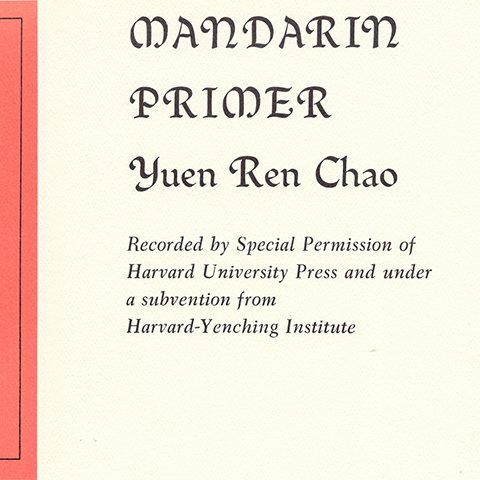
Zhao Yuanren graduates from Cornell. He becomes a chief architect of China's language reforms.
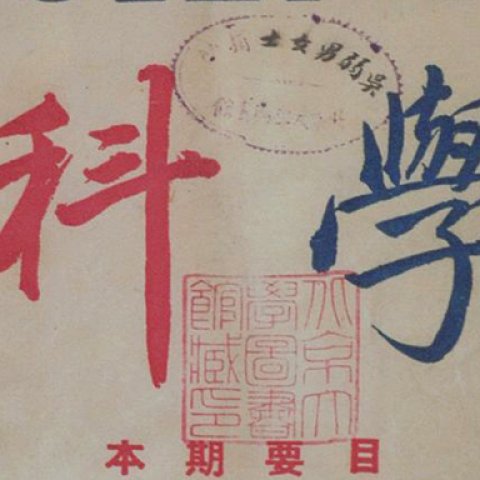
Chinese students at Cornell found the China Science Society, which moved to China in 1918.
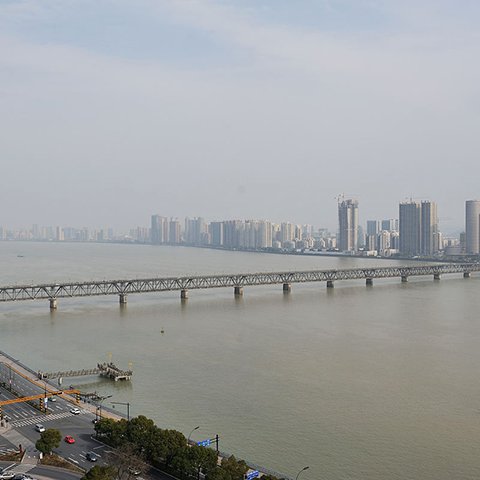
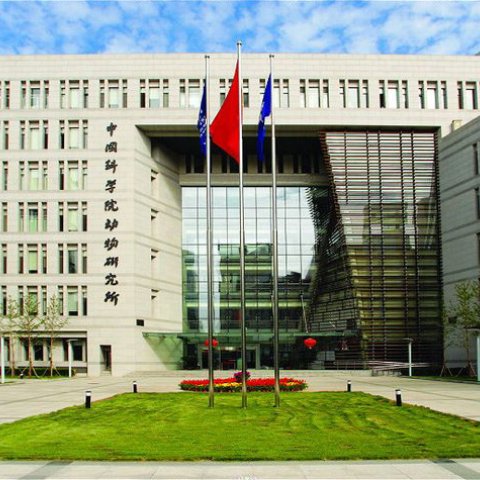
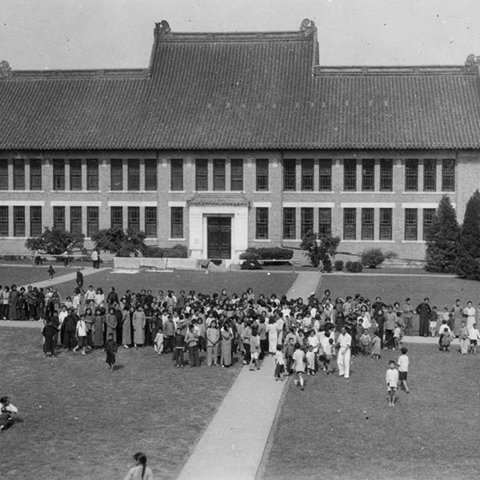

John Lossing Buck '14 (PhD 1933) earns a Cornell master’s degree and serves as agronomist in rural China.
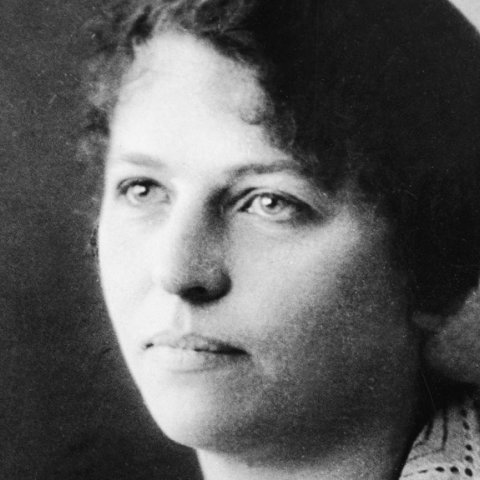
Pearl S. Buck earns a Cornell master's. The Good Earth wins her the 1932 Pulitzer and 1938 Nobel Prize.

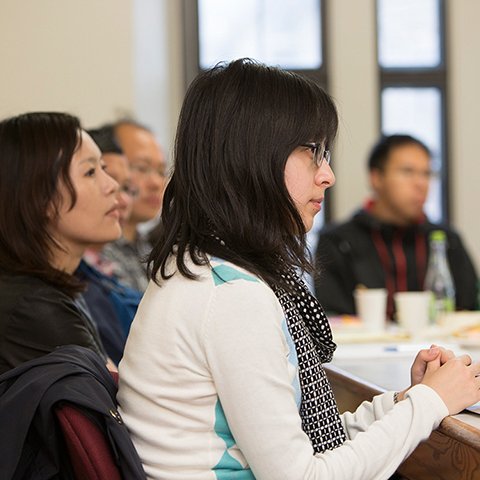
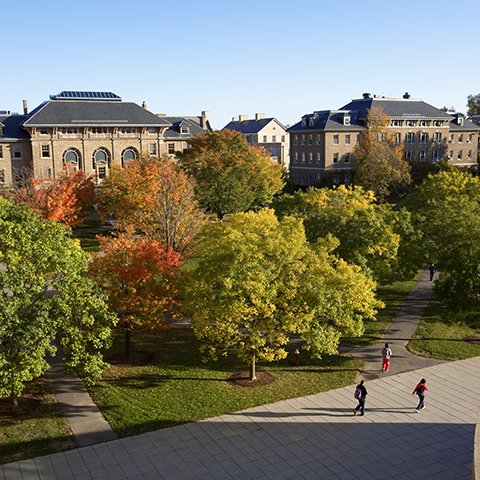
Agriculture and Life Sciences offers dual-degree 2+2 Bachelor of Science Program for Chinese undergrads.
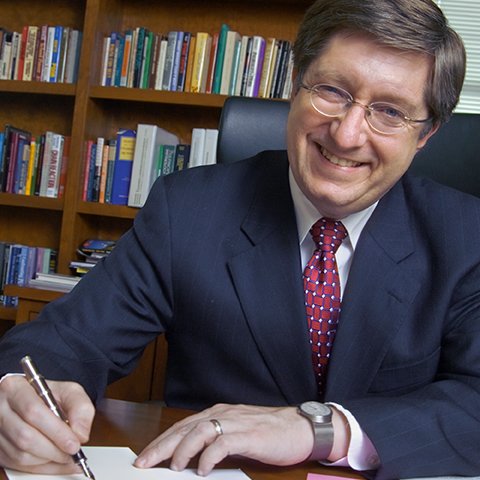
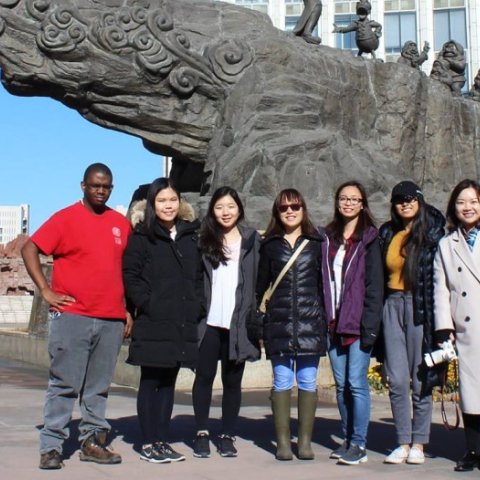
China Center initiative formalizes and integrates Cornell's research, education and outreach with China.
Cornell China Advisory Board is established with seven inaugural members (later expanded).
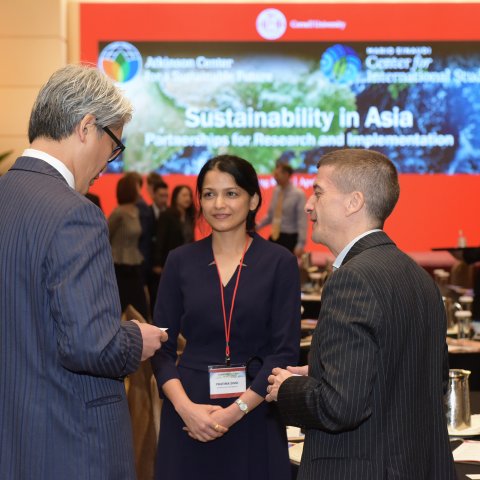
Cornell hosts Sustainability in Asia conference for international scholars, scientists, practitioners.
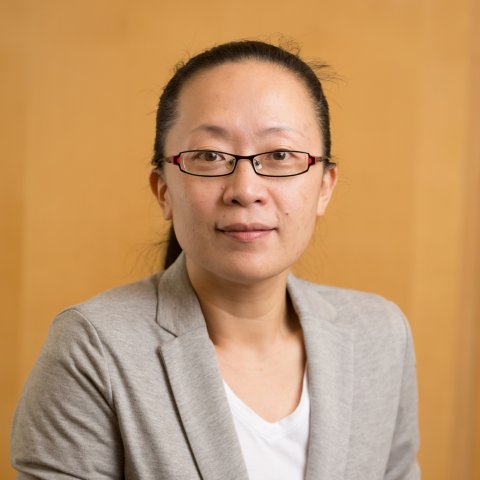
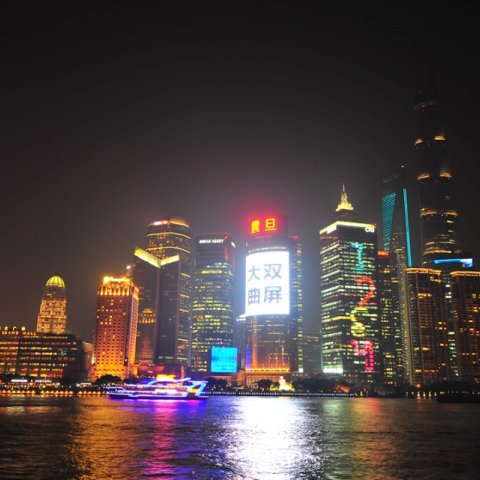
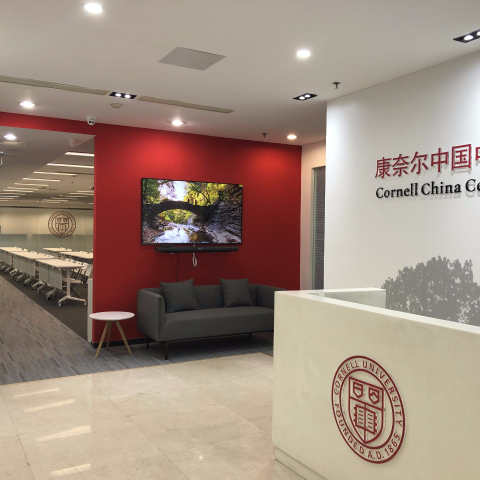
The Cornell China Center (Beijing) new office in Beijing's central business district begins facilitating Cornell-China connections.
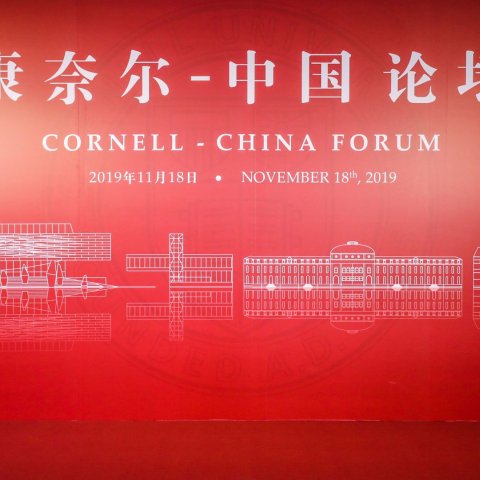
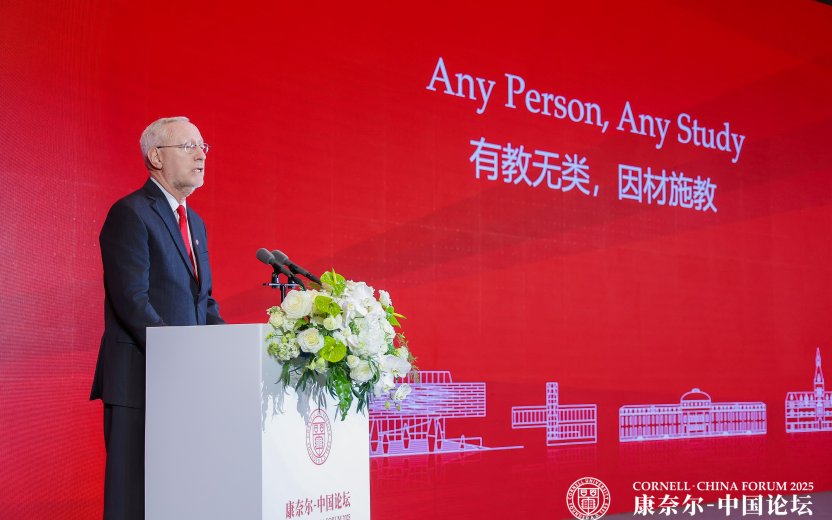
Cornell-China Forum illuminates the value of cross-sector collaboration.